
A revolution is quietly sweeping across the savannas and bushlands of Africa. The familiar rumble of the diesel engine, for so long the soundtrack to the classic safari, is being replaced by something new: the sound of silence. Pioneering lodges and operators are embracing electric safari vehicles, creating an immersive, sustainable, and utterly extraordinary new way to experience the wild. The result is the “silent safari,” and it’s changing the game.
The benefits of this green revolution are twofold, enhancing both the environment and the guest experience. With zero emissions, these vehicles, often charged by solar panels, significantly reduce the carbon footprint of tourism in these fragile ecosystems. But the most immediate and profound impact is the silence. Without the chugging engine, the sounds of the bush come alive. The alarm call of a distant bird, the rustle of a leopard in the grass, or the low grunt of a hippo—these are the subtle notes of the wild that are no longer masked.
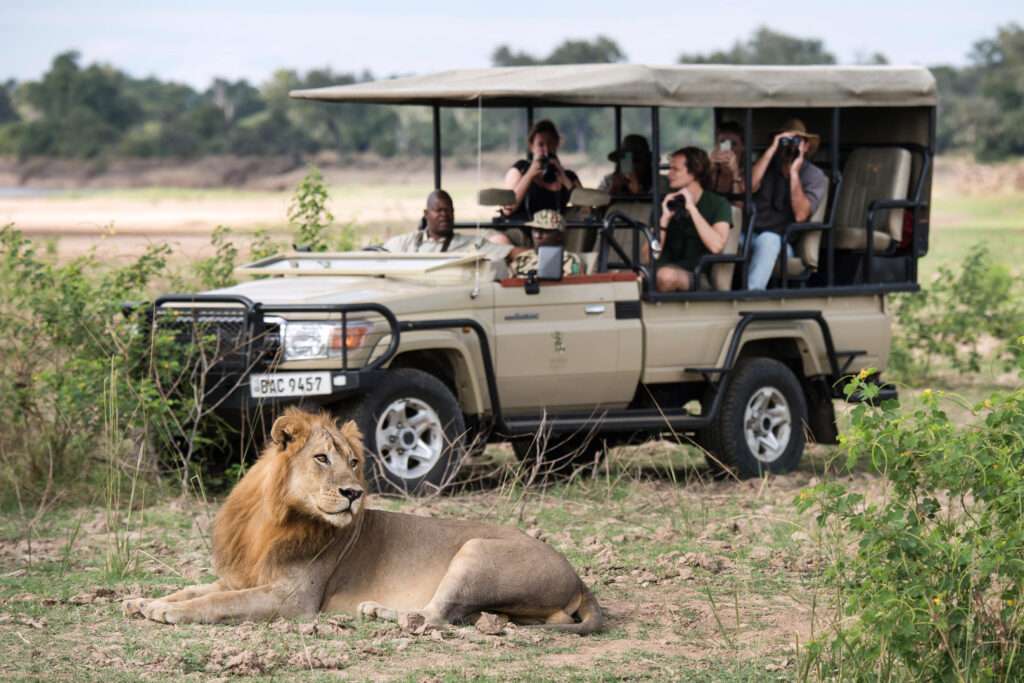
This hush allows for unparalleled wildlife encounters. Animals, undisturbed by the noise and vibration of a traditional 4×4, are less likely to be spooked. This allows for closer, more natural, and more meaningful observations of wildlife behaving as if no one is watching. For photographers, the stability of a silent, shudder-free vehicle is a massive advantage.
Across the continent, trailblazing camps are leading the charge. In Zambia, Green Safaris offers the first and only silent safaris in the iconic South Luangwa National Park at its Shawa Luangwa Camp. In Botswana, Desert & Delta Safaris’ Chobe Game Lodge has taken a multi-faceted approach, combining solar-powered electric boats for river safaris with a fleet of electric Land Rovers driven by their renowned all-female “Chobe Angels” guiding team.
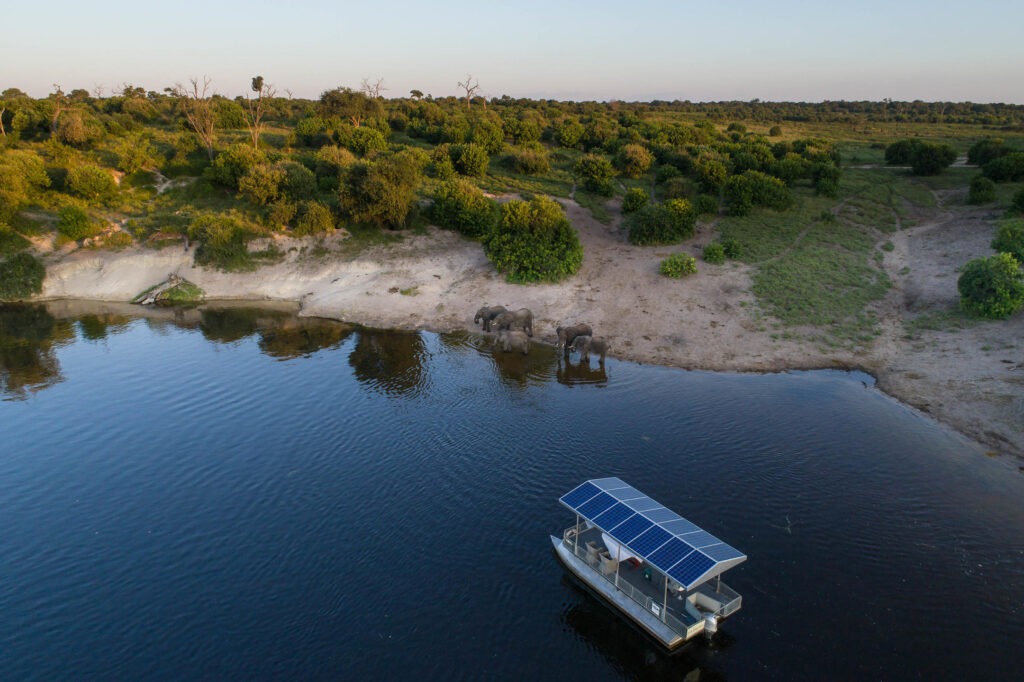
South Africa’s prestigious Cheetah Plains Private Game Reserve in the Sabi Sands has demonstrated the powerful environmental impact of this shift. By using solar-powered electric vehicles for its game drives, the luxury lodge offsets over 581 tonnes of carbon dioxide annually. In Kenya’s Masai Mara, EMBOO Camp has paired its silent game drives with a commitment to being a net-zero-impact camp, creating a truly holistic sustainable experience. The trend is growing, with other notable properties like Ol Pejeta Bush Camp in Kenya and Natural Habitat Adventures in Botswana also adopting this quiet technology.
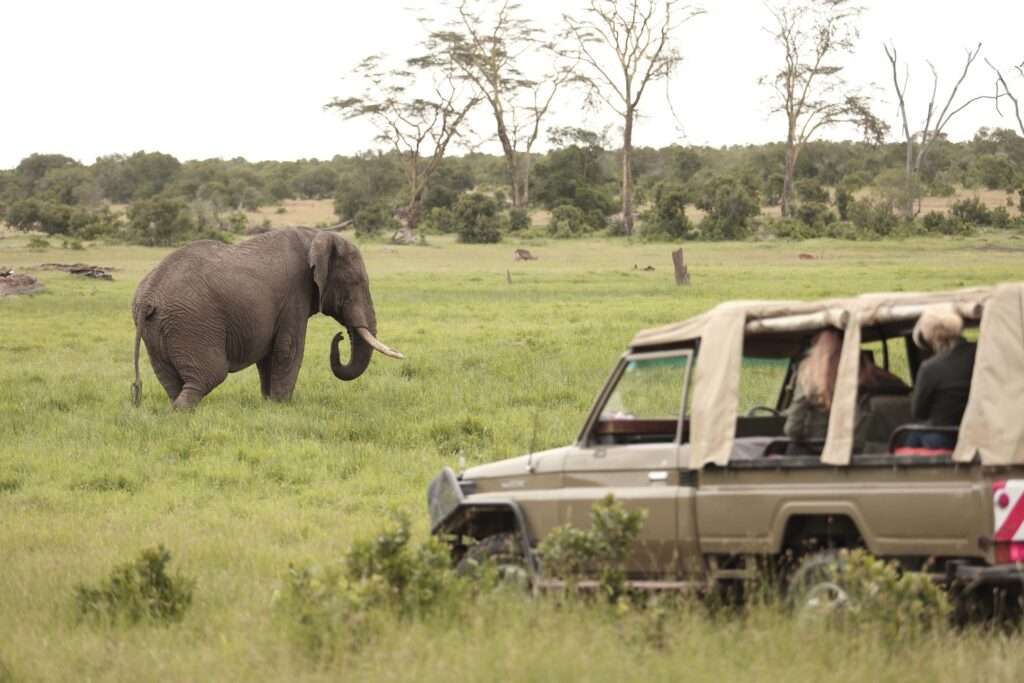
This innovation in the safari industry mirrors a similar, long-standing practice in another luxury leisure space: golf. For decades, electric golf carts have been the standard, whisking players silently across pristine courses. The logic is the same—to minimize noise and environmental disruption in a beautiful natural setting. The safari industry has now adopted this principle, swapping the fairway for the savanna and elevating the luxury experience to one that is not just exclusive, but also responsible and deeply connected to the natural world.